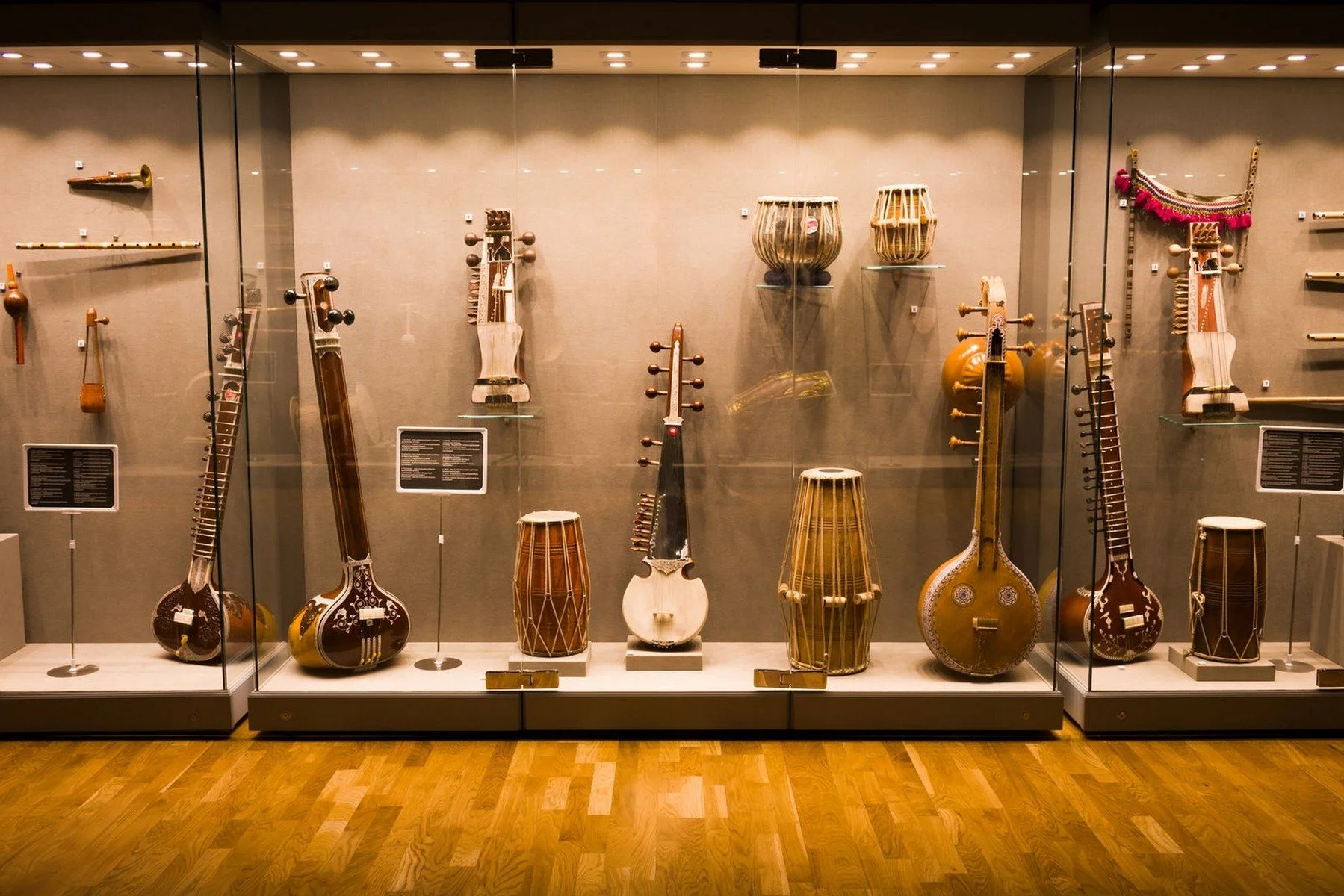
Preserving Arabian music & art, while connecting it to the world
A cultural and educational space dedicated to preserving, celebrating, and sharing the rich musical heritage of the Arab world. Through its collection, programs, and exhibitions, the museum highlights the history of Arabic music, its iconic instruments, legendary performers, and the deep cultural traditions that have shaped its evolution across generations. The museum serves as a bridge between the past and the present, the East and the West, inspiring visitors of all ages to explore the beauty, diversity, and enduring influence of Arabic music.
Through scholarly publications, Musical tours, and immersive education programs, the institution facilitates comprehensive learning while providing optimized venue solutions for private receptions and corporate gatherings.